Materials science / Classroom investigation
When Does Iron Rust Faster? How Water and Salts Affect Corrosion
A comparative classroom experiment follows the visible changes in iron exposed to dry conditions, plain water and salt water.
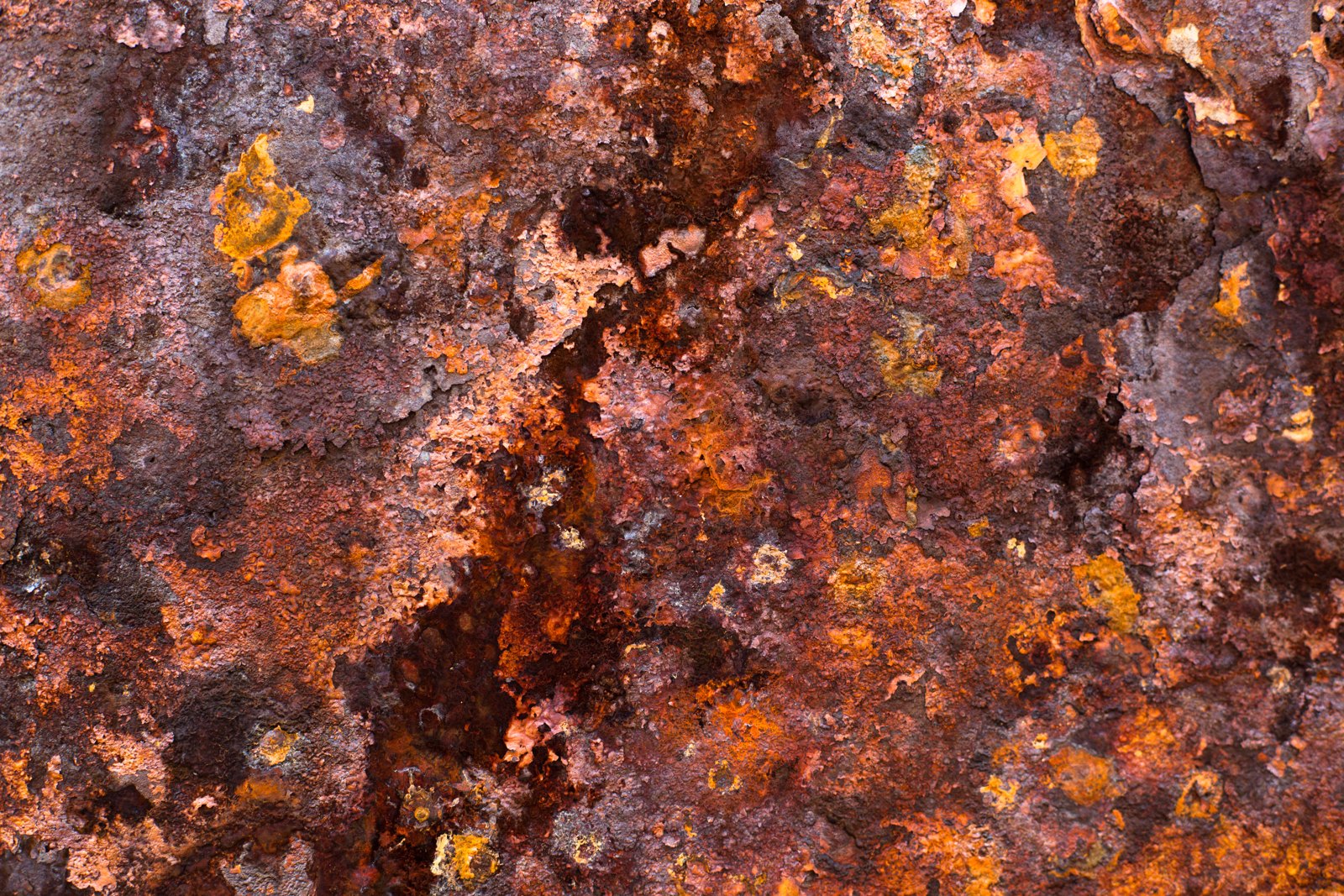
Photo: Laitr Keiows / Wikimedia Commons / CC BY-SA 3.0. Resized and compressed for web use; no content alterations.

How does the surrounding environment affect the rusting of iron, and why can identical metal objects change in different ways? These questions formed the basis of a classroom experiment on iron corrosion. By comparing samples under different conditions, the participants tracked the appearance and spread of rust.
Three environments, one comparison
Iron samples of similar size and initial surface condition were used. They were divided into three groups: one kept in a dry environment, one placed in plain water and one in salt water. Identical containers and equal volumes of liquid were used for the two water-based groups, and the samples were kept at similar temperatures. This made it possible to compare how the environment influenced visible changes in the metal.
Following the corrosion
During the observations, the participants recorded when the first signs of rust appeared, how the surface colour changed and how far the corrosion spread. Photographs allowed each sample’s condition to be compared over time. Changes in the water were also monitored, including discolouration and the accumulation of rust particles.
Dry conditions
The samples kept in a dry environment showed the fewest visible changes. Their surfaces retained their original appearance to the greatest extent. This observation highlighted the importance of moisture in corrosion under ordinary conditions.
Plain water
Orange-brown patches gradually appeared on the samples in plain water. Over time, rust covered a larger proportion of the surface. The observations showed that the presence of water and access to oxygen create conditions in which iron can rust.
Salt water
In salt water, visible signs of corrosion appeared earlier and became more pronounced than in plain water. This is consistent with the role of dissolved salts, which increase the electrical conductivity of water and can accelerate the electrochemical processes involved in corrosion.
What we can conclude
The main conclusion was that environmental conditions have a substantial influence on the rusting of iron. Within the observation period, the dry environment was associated with the fewest visible changes, while salt water was associated with the earliest appearance and fastest spread of rust. The comparison offered a practical explanation of why iron objects exposed to damp and salty conditions need appropriate protection.
The limits of what we see
The experiment gave the participants experience in comparative observation, documenting changes and interpreting results. It also demonstrated the limitations of visual assessment: the amount of visible rust allows samples to be compared, but does not, by itself, provide an accurate measure of how much metal has been lost through corrosion.